

Extractor Hood
Add a review FollowOverview
-
Founded Date October 29, 1967
-
Posted Jobs 0
-
Viewed 11
Company Description
9 . What Your Parents Teach You About Extractor Hood Kitchen
The Essential Guide to Extractor Hoods in the Kitchen
An extractor hood, frequently described as a range hood or kitchen hood, is more than just an elegant addition to modern kitchens. It plays an essential function in making sure a clean and comfy cooking environment. In this article, we will explore the numerous types, benefits, setup factors to consider, and upkeep of extractor hoods, along with responses to often asked concerns.
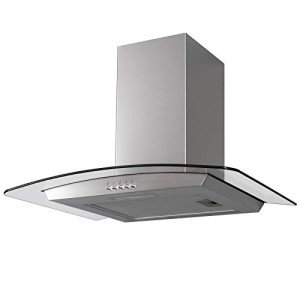
What is an Extractor Hood?
An extractor hood is a kitchen device set up above the stove or range that removes air-borne grease, smoke, steam, and smells produced throughout cooking. By effectively aerating the area, extractor hoods preserve air quality and enhance comfort while cooking.
Types of Extractor Hoods
Extractor hoods can be found in various designs and performances. Here’s an appearance at the most typical types offered on the market today:
| Type of Extractor Hood | Description | Best Suited For |
|---|---|---|
| Wall-Mounted | Mounted on the wall above the stove, these hoods can range from smooth and modern to ornate and conventional. | Standard kitchens with wall-mounted ranges. |
| Under-Cabinet | Installed underneath kitchen cabinets, they are compact and efficient, providing a space-saving option. | Small or structured kitchens with limited space. |
| Island | These hoods are suspended from the ceiling, making them ideal for cooking islands. | Open-concept kitchens or those with islands. |
| Downdraft | Integrated with the cooking surface, downdraft hoods increase when required and pull back after usage. | Modern kitchens where aesthetics and function need to align. |
| Ceiling-Mounted | Installed straight into the ceiling, these hoods are generally part of a ductless or ducted aerating system. | Large kitchens with high ceilings. |
Advantages of an Extractor Hood
Purchasing a premium extractor hood offers a variety of benefits, consisting of:
- Improved Air Quality: By efficiently eliminating smoke, grease, and smells, an extractor hood helps maintain a much healthier kitchen environment.
- Lowered Heat and Moisture: Cooking can generate significant heat and humidity; Extractor Hood Kitchen hoods assist alleviate these factors, making cooking more comfy.
- Visual Appeal: Available in numerous styles and surfaces, extractor hoods can improve the general appearance of the kitchen, working as a centerpiece.
- Energy Efficiency: Modern extractor hoods are developed to run efficiently, possibly minimizing energy costs in the long run.
- Increased Home Value: An elegant and efficient extractor hood is often viewed as an upgrade, potentially increasing the worth of a home.
Aspects to Consider When Choosing an Extractor Hood
Choosing an extractor hood includes thinking about several elements to ensure that the home appliance meets your needs:
-
Size: The hood ought to be at least as broad as the cooking surface it serves. For optimum outcomes, it’s best to select a hood that is 3-6 inches broader.
-
Ducted vs. Ductless: Ducted hoods vent air outside, while ductless hoods filter and recirculate it. Examine the kitchen design to determine which system fits best.
-
Suction Power: Measured in cubic feet per minute (CFM), the suction power must line up with the size of the kitchen and the type of cooking performed. A general guideline is 600 CFM for heavy cooking and 300-600 CFM for typical cooking.
-
Noise Levels: Pay attention to the sones score (a measurement of sound). Ideally, you desire a hood that operates silently, specifically in open-concept kitchens.
-
Design and Finish: Choose a style that matches your kitchen decor, whether it’s modern stainless-steel or traditional wood.
Setup Considerations
Setting up an extractor hood requires some preparation:
- Height Above Cooktop: A basic recommendation is to set up wall-mounted hoods 24-30 inches above electric cooktops and 30-36 inches above gas cooktops.
- Electrical and Ductwork: Ensure the required electrical supply is offered and, if ducted, plan the ductwork appropriately. Hiring a professional can ensure compliance with local building codes.
- Mounting Options: Depending on the hood type, identify if it requires specializing brackets or additional ceiling support.
Upkeep of Extractor Hoods
To keep an extractor hood functional and looking excellent, routine maintenance is key:
- Cleaning Filters: Depending on use, metal and grease filters should be cleaned up or replaced every couple of months. Dishwasher-safe filters are ideal for easy cleansing.
- Exterior Cleaning: Use a compatible cleaner for the surface material (stainless steel, glass, and so on) to maintain appearance. Avoid abrasive cleaners that can scratch.
- Examine Ductwork: If ducted, ensure there are no obstructions and that ducts are kept tidy to optimize performance.
Frequently Asked Questions (FAQ)
1. How frequently should I clean my extractor hood?It’s recommended to clean up the grease filters on a monthly basis, while the outside ought to be wiped down regularly. Deep cleansing ought to be done a minimum of every three to six months.
2. Do I require a professional for installation?While some may choose to DIY, hiring an expert is suggested for appropriate setup and guaranteeing compliance with regional policies, particularly for ducted systems.
3. Can I utilize an extractor hood if my kitchen doesn’t have ductwork?Yes! A ductless extractor hood filters and recirculates air back into the kitchen, although they might not be as efficient as ducted designs.
4. What is the appropriate CFM for my stove?For an electric stove, a CFM score of about 300-600 is normally sufficient. For gas ranges, consider a CFM rating closer to 600 or more, depending on the cooking frequency and style.
5. Are extractor hoods energy-efficient?More modern models are developed with energy performance in mind, using less electrical power while preserving high levels of performance.
An extractor hood is an essential element of any kitchen, making sure cleanliness and comfort while enhancing the space’s looks. By understanding the various types, benefits, and factors to consider related to extractor hoods, homeowners can make informed choices that suit their culinary requirements and individual designs. With routine upkeep, a quality extractor hood can supply years of service, making cooking a more satisfying experience.