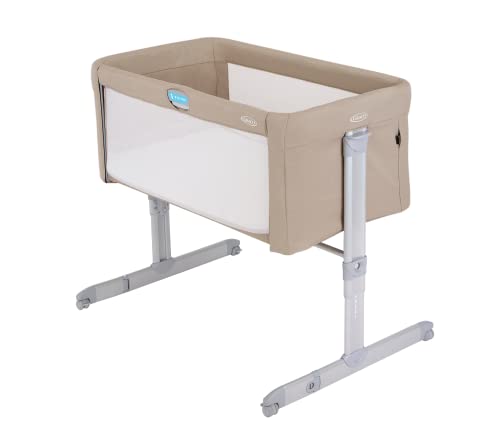
Cheap Baby Cots For Sale
Add a review FollowOverview
-
Founded Date September 23, 1922
-
Posted Jobs 0
-
Viewed 11
Company Description
5 Reasons To Be An Online Cots And Cot Beds Shop And 5 Reasons You Shouldn’t
Cots and Cot Beds: A Comprehensive Guide for New Parents
Selecting the best sleeping plan for your newborn is among the most considerable choices new parents face. Cots and cot beds are 2 of the primary alternatives readily available, each with its distinct features, benefits, and factors to consider. In this short article, we will explore the world of cots and cot beds, exploring their distinctions, advantages, perfect usage, safety requirements, and answering common questions moms and dads may have.
Understanding Cots and Cot Beds
Cots are developed particularly for infants and usually include fixed sides with a bed mattress base that can be gotten used to several heights. They are normally utilized up until the child is around 2 to 3 years old. Cots are smaller sized and more compact, which makes them perfect for newborns and young infants.
On the other hand, cot beds are a versatile option that integrates the functions of a cot and a young child bed. They are bigger than basic cots and can typically be converted into a young child bed, making them appropriate for usage from birth up until roughly 5 years of age. This adaptability makes cot beds a popular choice for moms and dads who want a longer-term investment in their child’s sleeping plans.
Key Differences in Features
| Feature | Cots | Cot Beds |
|---|---|---|
| Size | Smaller sized measurements typically appropriate for babies | Larger, often convertible |
| Age Range | Birth to 2-3 years | Birth to 5 years |
| Adjustable Base | Yes | Typically yes |
| Toddler Bed Option | No | Yes, frequently converts to a toddler bed |
| Security Standards | Should fulfill strict safety standards | Need to fulfill stringent security guidelines |
| Expense | Normally lower | Usually higher, however long-term use is thought about |
Advantages of Cots
- Compact Design: Cots are smaller sized and easier to fit into many bed rooms or nursery setups.
- Safety Features: Online Cots must follow strict security requirements, making them a safe choice for your baby.
- Cost: Generally, cots are less pricey than cot beds, providing an affordable alternative for brand-new parents.
- Reduce of Access: Adjustable mattress heights permit easier access to infants, specifically for those who might have problem bending down.
Advantages of Cot Beds
- Durability: Cot beds can be utilized longer, supplying a smooth shift from crib to toddler bed.
- Adaptability: Many cot beds feature adjustable bed mattress heights and side rails that can be removed, adapting as your kid grows.
- Visual Options: Cot beds often come in different design and styles, permitting parents to pick a look that fits their nursery theme.
- Space-Saving: As cot beds can serve double purposes, they minimize the need for additional furniture.
Security Considerations
When selecting a cot or cot bed, safety is paramount. Here are some essential tips to guarantee safety:
- Safety Standards: Check for compliance with security requirements (such as EN 716 in Europe or ASTM in the USA).
- Mattress Fit: Ensure that the bed mattress fits snugly in the cot/cot bed without spaces.
- Bumper Pads: Avoid utilizing bumper pads, as they can pose a suffocation danger.
- No Gaps: Ensure that there are no gaps in between the cot sides and the mattress.
- Stable Base: Ensure that the cot or cot bed is steady and does not wobble.
Comparing Costs
Below is a general comparison chart of costs you may expect when buying cots and cot beds:
| Type | Typical Price Range (GBP) |
|---|---|
| Cots | ₤ 150 – ₤ 400 |
| Cot Beds | ₤ 250 – ₤ 600 |
Elements Influencing Cost
- Brand name: High-end brands might charge more however frequently included additional functions and much better quality.
- Material: Wooden cots and cot beds might be more costly than those made from particleboard.
- Features: Additional features such as adjustable heights, convertible designs, or additional storage choices can increase the price.
FAQs
1. How do I choose between a cot and a cot bed?
Choosing in between a cot and a cot bed depends upon your requirements. If you desire a longer-term sleeping service, a cot bed may be preferable. Nevertheless, if you choose a compact space for your newborn, a cot may be perfect.
2. When should my baby shift from a cot to a cot bed?
Normally, parents transition their kid from a cot to a cot bed when they are in between 2 and 3 years old, or when the child starts climbing out of the cot.
3. Are there specific safety requirements I should look for?
Yes, always guarantee that the cot or cot bed fulfills safety standards appropriate to your nation. In the United States, search for items licensed by the Consumer Product Safety Commission (CPSC) and in Europe, the EN 716 requirement.
4. Can I use a cot bed from birth?
Yes, cot beds are developed to be used from birth and typically featured adjustable bed mattress heights to accommodate a growing child.
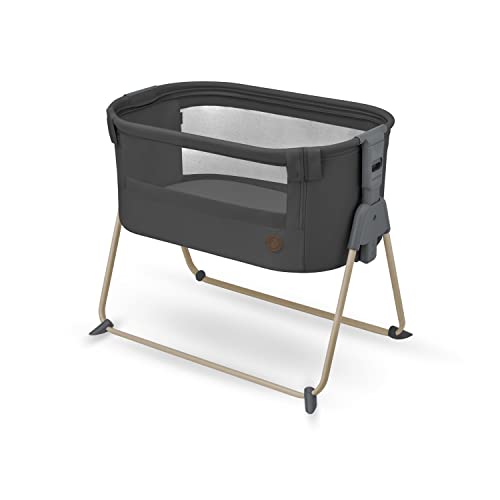
5. How much should I invest on a cot or cot bed?
Budget can vary based on individual choices and requirements. A good-quality cot can range from ₤ 150 – ₤ 400, while cot beds usually begin at around ₤ 250.
Selecting the ideal sleeping plan for your baby can feel frustrating, but comprehending the differences and benefits of cots and cot beds can help relieve that confusion. By considering security, longevity, and your lifestyle, you can make an informed choice that suits your household’s needs. Whether you go with a compact cot or a flexible cot bed, ensure that it adheres to safety requirements and provides a comfy sleeping environment for your youngster. This financial investment in quality sleep will set the foundation for healthy rest for both you and your kid.