

Profi Schleifmaschine Angebot
Add a review FollowOverview
-
Founded Date May 2, 1998
-
Posted Jobs 0
-
Viewed 22
Company Description
11 Creative Ways To Write About Stationary Belt Sander Offer
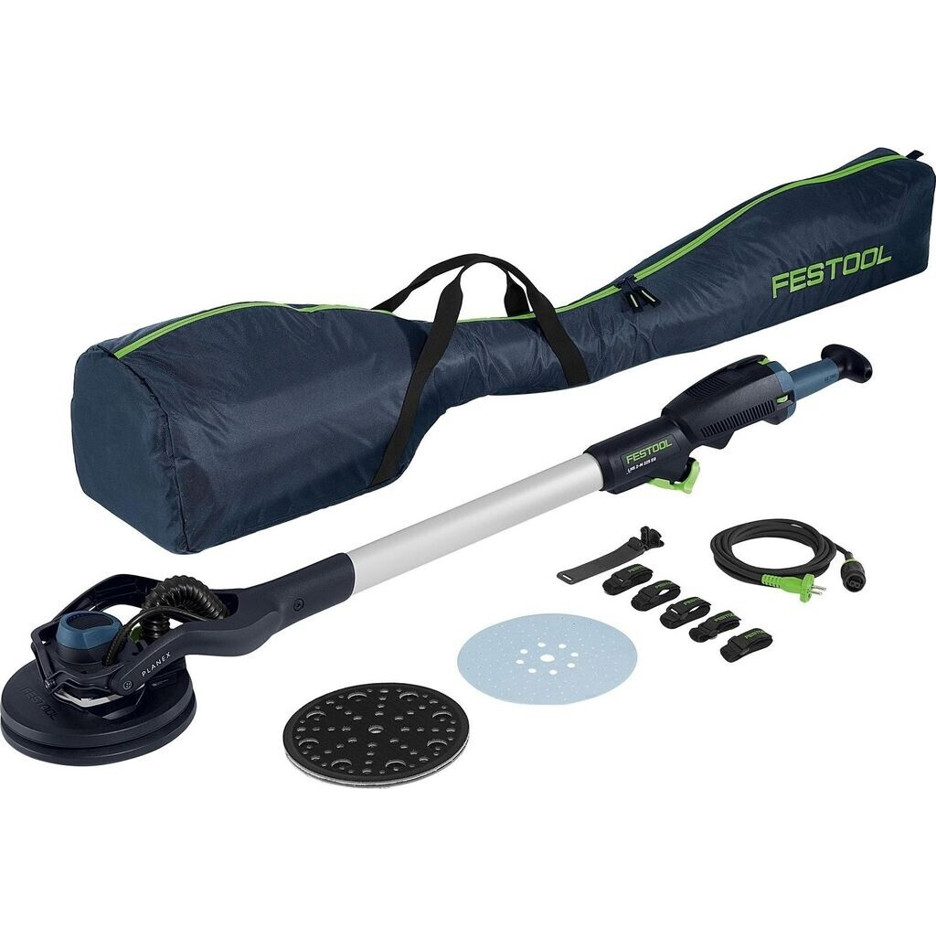
Understanding Stationary Belt Sanders: An In-Depth Review of Offers, Features, and FAQs
On the planet of woodworking and metalworking, accuracy, performance, and end up quality are critical. For these reasons, stationary belt sanders have ended up being essential tools for both hobbyists and experts. Leveraging their cutting-edge innovation, stationary belt sanders provide exceptional outcomes while reducing effort and time. This short article will explore the different offers readily available for stationary belt sanders, their key functions, and some regularly asked concerns to assist prospective buyers.
Table of Contents
- What is a Stationary Belt Sander?
- Secret Features of Stationary Belt Sanders
- Popular Stationary Belt Sanders on the Market
- Purchaser’s Guide: Factors to Consider
- Frequently Asked Questions (FAQs)
What is a Stationary Belt Sander?
A stationary belt sander is a power tool created for sanding, smoothing, and shaping wood or metal. It operates on a loop of sanding product that continually runs over sheaves, enabling consistent and efficient sanding. These tools excel in both rough shaping and great completing applications, making them a flexible addition to any workshop.
Secret Features of Stationary Belt Sanders
When considering a stationary belt sander, numerous essential functions ought to be taken into consideration:
| Feature | Description |
|---|---|
| Belt Size | Common sizes include 1″ x 30″, 4″ x 36″, and 6″ x 48″. |
| Motor Power | Varieties normally from 1/2 HP to 2 HP, affecting efficiency. |
| Belt Speed | Measured in surface feet per minute (SFPM); higher speeds are normally better for quick removal. |
| Dust Collection System | Integrated systems enhance tidiness and visibility. |
| Adjustable Table | Enables different angles for precise sanding. |
| Sturdiness | Search for robust building and construction products that endure wear. |
| Brand Reputation | Relied on brand names often offer better after-sales service and dependability. |
Top 3 Popular Stationary Belt Sanders on the marketplace
Here’s a detailed summary of some of the finest stationary belt sanders presently offered:
| Brand & & Model | Motor Power | Belt Size | Belt Speed | Price Range | Secret Features | Warranty |
|---|---|---|---|---|---|---|
| Jet J-41002K | 1 HP | 4″ x 36″ | 1,440 SFPM | ₤ 400 – ₤ 500 | Compact style, resilient building and construction, quiet operation | 5 years |
| Grizzly G1014Z | 1 HP | 6″ x 48″ | 1,700 SFPM | ₤ 800 – ₤ 900 | Heavy-duty construct, excellent dust collection, expandable work surface | 1 year |
| WEN 6502T | 3/4 HP | 4″ x 36″ | 1,200 SFPM | ₤ 230 – ₤ 300 | Portable design, flexible, includes a disc sander | 2 years |
Buyer’s Guide: Factors to Consider
Before purchasing, possible buyers need to evaluate:
-
Material Type: Consider what materials you will mostly work with, whether wood, metal, or composites.
-
Frequency of Use: A commercial shop might need a more robust model, while enthusiasts may go with a more affordable version.
-
Area Availability: Some designs are extremely portable, while others might require devoted office.
-
Maintenance Needs: Look for models that are easy to keep and have easily changeable belts.
-
Motor Specs: Higher horsepower can result in faster sanding but may not be necessary for all projects.
-
Price to Value Ratio: Consider long-lasting worth versus in advance costs, factoring in quality and possible additional expenses for belts and accessories.
-
Brand name Trust: Research customer evaluations and service warranties offered by makers for Exzenterschleifer 150Mm test assurance.
Often Asked Questions (FAQs)
Q: How do I appropriately keep my stationary belt sander?
A: Regularly look for wear on belts and change them as required. Clean dust collection ports to ensure effective operation and lubricate moving parts according to the maker’s recommendations.
Q: Can I utilize a stationary belt sander for completing?
A: Yes, but it’s necessary to utilize finer grits of belts for completing work to prevent deep scratches or irregular surface areas.
Q: Are there security precautions I should follow?
A: Always use protective eyeglasses and a dust mask. Make sure that all guards are in place and never touch the moving belt while the machine is in operation.
Q: How typically should I replace the sanding belts?
A: Sanding belts must be replaced when you discover a reduction in performance, such as decreased material removal capability or visible wear.
Q: Can a stationary belt sander be used for curved surfaces?
A: While it is primarily designed for flat surface areas, you can contour specific attachments to sand curves, albeit with more effort.
Stationary belt sanders offer a mix of effectiveness, precision, and versatility that can not be easily matched with portable tools. By comprehending their features, offered models, and crucial considerations before purchase, users can make informed decisions to improve their woodworking and metalworking procedures. Investing in a high-quality stationary belt sander not just improves efficiency but also elevates the quality of ended up products, making it a valuable possession in any workshop. Whether an experienced professional or an enthusiastic newbie, understanding the offers offered can help one choose the ideal machine for their particular needs.